Dead Air to Full House: Winning Back the Audience That Moved On Without You
Here's a hard truth nobody in the streaming world likes to say out loud: your audience doesn't owe you loyalty. They found you once, sure. But if you went dark for a few weeks — or a few months — they filled that time slot with someone else. Someone consistent. Someone who showed up.
That stings. But it's also fixable. The path back to a full, engaged chat isn't about viral stunts or desperate giveaways. It's about understanding what actually happened while you were gone, and then making a deliberate case for why tuning back in is worth their time.
Why Viewers Drift (It's Not Personal, But It Kind of Is)
Streaming platforms are ruthless recommendation engines. The moment your output slows down, the algorithm quietly starts pushing other creators into the spaces you used to occupy. Your regulars don't consciously decide to abandon you — they just get served something new, and that thing becomes their new habit.
Human attention works in loops. We form routines around content the same way we form routines around morning coffee or a favorite podcast. When you break the loop, viewers don't sit in a holding pattern waiting for your return. They rebuild the loop around someone else.
The good news? Habits can be reformed. The bad news? You can't just pick up where you left off and expect the same crowd to materialize. You're essentially relaunching, and you need to treat it that way.
Stop Pretending Nothing Happened
One of the most common mistakes returning streamers make is acting like the gap never existed. They fire up OBS, go live, and open with "Hey guys, what's up" like it's a Tuesday in a month when they were streaming regularly.
That approach doesn't build trust — it quietly erodes it. Your long-term viewers notice the absence. New potential viewers will eventually find out. Glossing over it signals that you're not being straight with your audience, and people can smell inauthenticity through a screen.
Instead, acknowledge it. You don't need to over-explain or get emotional about it. A simple, honest framing goes a long way: "I was away for a while, I know some of you moved on, and I'm here to earn your attention back." That kind of directness is actually rare in this space, and it stands out.
Build the Relaunch Like a Premiere, Not a Return
Think about how TV networks handle a show coming back after a hiatus. They don't just drop a new episode quietly. They run promos, they remind audiences what made the show worth watching, and they build anticipation before the air date.
You should do the same thing. Give yourself at least two weeks of pre-stream activity before you actually go live again. Use your social channels — whether that's X, Instagram, TikTok, or a Discord server — to signal that something is coming. Tease what's changed, what you've been working on, what the new show looks like.
This does two things: it re-enters your name into the algorithm conversation before you even need the live view count, and it gives your most loyal holdouts a reason to mark their calendars.
Give Them Something New to Attach To
Returning to the exact same format you had before is a missed opportunity. Your audience drifted, which means the old format — however good it was — didn't create enough gravity to hold them. Coming back with something evolved signals growth, not desperation.
This doesn't mean blowing up everything you built. It might be as simple as a new segment, a sharper focus on a specific niche topic, a new co-host, or a restructured show flow. What you're really doing is giving dormant viewers a fresh hook — something new to be curious about.
Frame the relaunch around that evolution. "I've been rethinking the show and I'm bringing it back with some changes I think you're going to actually like" is a more compelling pitch than "I'm back, let's just hang."
Rebuild the Habit Loop Deliberately
Once you're back on air, consistency isn't optional — it's the whole job for the first 60 days. You're not just streaming; you're re-conditioning an audience to expect you at a specific time on a specific day.
Pick a schedule you can genuinely sustain. Not the schedule you wish you could do, not the schedule that sounds impressive. The one that you will actually keep even when you're tired or busy or uninspired. Missing dates again immediately after a comeback is a credibility hit you may not recover from.
Post your schedule publicly and hold yourself to it like a professional broadcast commitment. Viewers who are on the fence about re-engaging will watch to see if you're serious before they invest their attention again.
Reach Out to Who's Still There
Some of your original audience never fully left. They unfollowed or stopped tuning in, but they might still be reachable. Go back to your email list if you have one. Post in communities where your content was previously shared. Personally respond to comments on older videos or VODs.
This kind of grassroots re-engagement feels old-school, but it works. The people who were your most loyal viewers have a latent connection to your content. A direct, personal-feeling message — not a mass blast, but something that reads like a human wrote it — can reactivate that connection.
Don't beg. Don't over-apologize. Just let them know the show is back, it's better, and you'd love to see them in the chat.
Metrics to Watch in the First Month Back
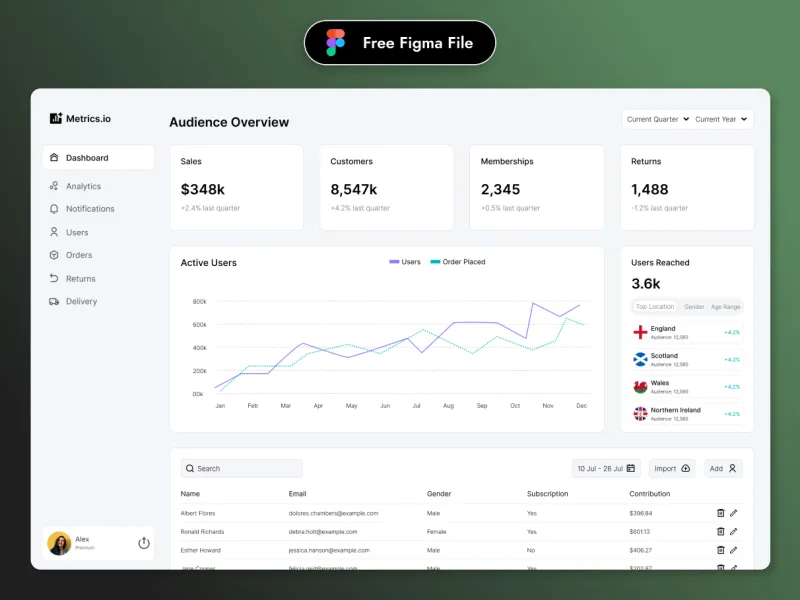
Don't measure your comeback against your peak numbers. That's a trap. Instead, track directional progress — are your numbers growing week over week? Is chat engagement improving? Are new viewers sticking around past the first few minutes?
The comeback period is about momentum, not magnitude. A stream with 40 engaged viewers that grows to 65 over four weeks is a success. Treat it like one. That energy will carry forward a lot more effectively than fixating on the gap between where you are and where you used to be.
The Streamers Who Make It Back
The creators who successfully return after an absence share one common trait: they stop expecting the audience to come to them and start doing the work to earn that audience back. They relaunch with intention, communicate honestly, and show up consistently enough that the algorithm and the viewers both start to take notice again.
Your past audience is not gone forever. But they're also not sitting around waiting. The sooner you treat this like the relaunch it actually is, the sooner you stop mourning the gap and start building something worth watching again.