After the Honeymoon: Why Week Two Kills Most Streams (And the Systems That Survive It)
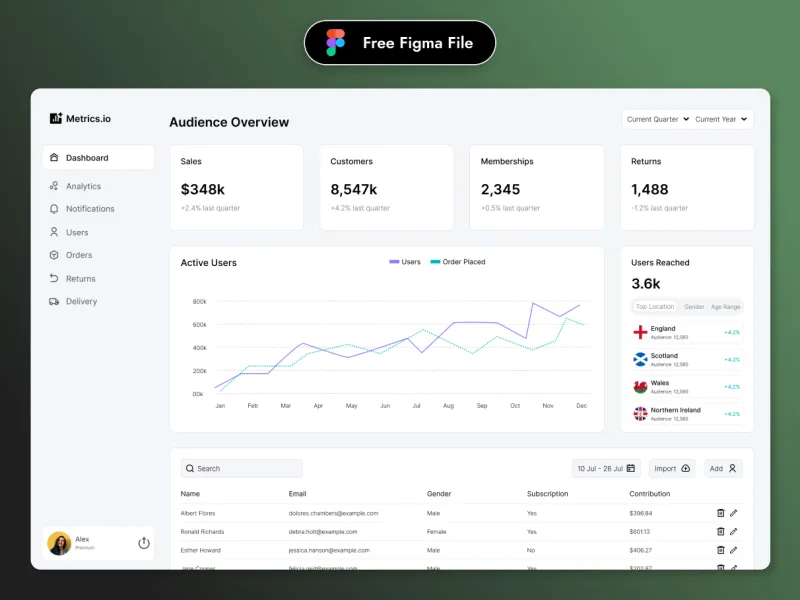
Photo: live streaming audience engagement graph analytics dashboard, via cdn.dribbble.com
You launched. People showed up. The chat was moving, the numbers looked promising, and for a brief, glorious moment it felt like things were actually working.
Then week two arrived.
Suddenly the viewer count looks different. The familiar usernames from your debut are gone. The energy feels flat. You haven't changed anything — same time slot, same energy, same setup — but the audience behaved like it got bored and moved on. Sound familiar?
This isn't a personal failure. It's a structural one. And once you understand why it happens, you can build around it.
The Honeymoon Effect Is Real (And Brief)
When a new show launches, there's a natural surge of curiosity-driven traffic. Algorithms reward new content. Social shares spike. Friends and followers tune in to be supportive. Platforms like Twitch and YouTube Live give discoverability boosts to fresh channels in certain categories. All of that creates an inflated first impression of your audience size.
Research into viewer behavior — both in traditional media and streaming — consistently shows that novelty is one of the strongest engagement drivers. People sample new content the way they try a new restaurant. The first visit is almost always about curiosity. Whether they come back depends on something else entirely.
That "something else" is the part most streamers haven't built yet.
Why Viewers Ghost After Week One
There are a few predictable reasons the drop-off happens, and they tend to stack on top of each other.
No reason to return. Your debut episode gave someone a reason to show up. But what gave them a reason to come back the following Tuesday? If the answer is "nothing specific," that's a problem. Episodic hooks, ongoing segments, or community threads that carry between streams all create a pull that raw content alone can't.
No sense of belonging. Casual viewers don't feel like they're part of anything yet. Regulars do. The gap between those two states is crossed through repetition, recognition, and ritual — and most new shows haven't had time to build any of that. If a viewer tunes in to episode two and nobody acknowledges them, the social friction of returning gets a little higher each week until they just stop.
No memory trigger. People are busy. Even genuinely interested viewers forget. Without a consistent, reliable reminder that your show exists — whether that's a push notification, a social post with enough personality to stop the scroll, or a newsletter — out of sight becomes out of mind fast.
Unmet expectations. Sometimes a viewer showed up expecting one thing and got another. That's not always fixable, but it's worth auditing. If your promotional material promises high-energy debate and your show is actually a calm interview format, the mismatch creates quiet churn.
The Framework for Keeping People Around
Reversing the trend isn't about producing better content in some abstract sense. It's about building specific systems that make returning feel natural and rewarding.
Build Recurring Architecture Into Every Episode
The shows with the strongest retention tend to have a predictable rhythm. Not boring — predictable. There's a difference. Think of how late-night TV has always worked: monologue, desk bit, interview, sign-off. Viewers know the shape of the show even before they know what's in it that night.
For live streamers, this means designing segments that recur consistently. A weekly "viewer question" block. A recurring challenge format. A running bit that builds on itself over time. These structural anchors give your audience something to anticipate — and anticipation is one of the most underrated retention tools in broadcasting.
Create Community Rituals Early
Rituals sound fancy, but they're just repeated behaviors that create belonging. They can be tiny. A specific greeting you use every stream. A recurring poll that your regulars know to vote in. A Discord channel where you post one behind-the-scenes detail before every show. The point isn't the ritual itself — it's that participating in it makes someone feel like an insider.
Mid-tier creators who've reversed early drop-off trends often point to this as the turning point. One gaming streamer on Twitch with around 800 average viewers started a weekly "prediction league" where regulars guessed in-game outcomes each session. It cost her nothing to run. It tripled her return viewer rate within six weeks.
Treat Week Two Like a Relaunch
Don't let the second week sneak up on you. Plan for it like it's a second premiere. Send a personal message to viewers who engaged with your first stream. Post a "what's coming" teaser that gives people a specific reason to tune in. Create a small amount of FOMO around the second episode — not manufactured hype, just genuine enthusiasm about something you're doing that week.
This approach acknowledges that the second show is actually harder to get people to attend than the first, and plans accordingly instead of hoping momentum carries over on its own.
Fix the Memory Problem With Systems, Not Vibes
Don't rely on people remembering you exist. Build reminder infrastructure from the start. That means a consistent social posting schedule, an email list (even a tiny one), and if you're on a platform that supports it, push notifications for followers. The goal is to make it so that when Thursday at 8pm rolls around, your viewer doesn't have to remember — something in their environment reminds them.
This sounds basic, and it is. But an alarming number of streamers skip it entirely because it feels like "marketing" rather than "content." It's both.
The Longer Game
Here's what the most sustainable live shows understand: the first month of streaming is not about audience size. It's about audience quality. Twenty people who come back every week, talk in chat, and tell their friends are worth more than two hundred who showed up once out of curiosity.
The streamers who build durable shows are the ones who stop optimizing for the spike and start optimizing for the return. They measure week-over-week viewer retention the same way a good podcast producer tracks episode completion rates. They treat every returning viewer like a VIP, because in the early days, that's exactly what they are.
The retention cliff is real, but it's not a wall. It's a design problem. And design problems have solutions.
Your job after launch isn't to keep finding new people. It's to make the ones you already found feel like they'd be missing something if they stopped showing up. Build that, and week two stops being the end of something — it starts being the beginning.