Show Up or Blow Up: Why Boring Consistency Beats Chasing Viral Gold

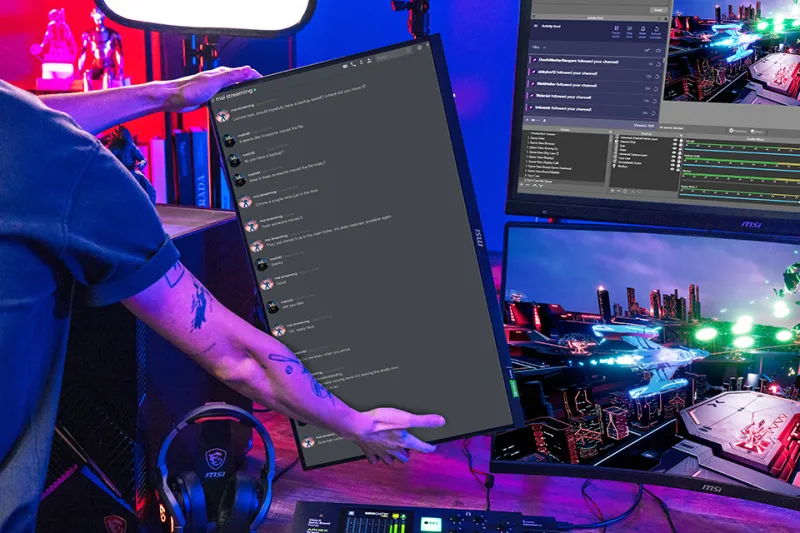
Photo: Justice Lens, CC BY-SA 4.0, via Wikimedia Commons
Let's talk about the clip.
You know the one. The moment a streamer says something hilarious, pulls off an insane play, or gets caught in a genuinely wild situation — and suddenly their clip is everywhere. Twitter, Reddit, TikTok. Three million views in 48 hours. New followers flooding in. The dream, right?
Except here's what usually happens next: the streamer goes live the following week, and the audience that showed up for the clip doesn't show up for the stream. The viral moment was a spike, not a foundation. Within a month, the numbers look almost exactly like they did before the clip happened.
This pattern plays out constantly in the streaming world, and yet the mythology of the breakthrough moment persists. Creators grind for the viral clip. They optimize for shareability over substance. They chase the algorithm like it owes them something.
It doesn't. And the streamers who are actually building durable audiences have figured out something more valuable than virality: they've figured out reliability.
The Compounding Effect Nobody Talks About
There's a concept in personal finance called compounding interest — the idea that small, consistent contributions grow exponentially over time in a way that a single large deposit simply can't replicate. Audience building works the same way, and it's one of the most underappreciated dynamics in live streaming.
When you stream on a predictable schedule, you're not just accumulating viewers — you're training them. You're teaching your audience that you'll be there on Tuesday at 7 PM, that the show will be worth their time, and that showing up is a habit worth forming. Over weeks and months, that habit becomes loyalty. Loyalty becomes community. Community becomes the kind of audience that sticks around through a bad stream, recommends you to friends, and actually converts when you launch a membership tier or merchandise.
A viral clip can spike your follower count. It cannot build that.
Consider the difference between a show that pulls 200 consistent viewers every week versus a channel that hit 50,000 views on a single clip and averages 40 viewers the rest of the time. The first creator has something real. The second has a story to tell at parties.
What the Data Actually Shows
Look at the growth trajectories of streamers who've built sustainable careers versus those who rode a single wave. The pattern is remarkably consistent: long-term successful creators tend to have growth curves that look like gradual inclines — not hockey sticks. Their breakout moments, when they happen, are usually the result of an established audience sharing content, not a random algorithmic gift.
Twitch's own internal research has pointed to watch time and return visit rates as more predictive of channel health than peak concurrent viewership. YouTube's algorithm, for all its mystique, heavily rewards click-through rate and viewer retention — metrics that reward a loyal, returning audience more than a one-time surge of curious strangers.
In other words, the platforms themselves are structurally rewarding consistency. The algorithm isn't your enemy — but it's not going to save you from an irregular schedule either.
Viral Moments Are Borrowed Attention
Here's a useful way to think about it: viral attention is borrowed. Consistent viewership is earned.
When someone discovers you through a clip, they're giving you a trial run. They have no context for who you are, no emotional investment in your show, and no particular reason to stick around. Converting that borrowed attention into actual loyalty requires something to convert to — a schedule, a community, a show worth returning for. Without those things already in place, the viral moment is largely wasted.
This is why some creators blow up, disappear from the conversation within a few months, and then wonder what happened. They got the attention but hadn't built the infrastructure to hold it.
Contrast that with a creator who's been streaming every Wednesday and Saturday for two years, slowly building a core audience of a few hundred people who genuinely look forward to the show. When that creator gets a viral moment, they have something to funnel the new attention into. The clip becomes a door, and behind the door is an actual house.
"But I Need to Grow Faster"
Fair. Patience is a hard sell in an era of overnight success stories. But let's be honest about what "overnight success" usually looks like up close: it's almost always years of consistent work that preceded the moment everyone noticed.
MrBeast didn't emerge from nowhere. The streamers you admire for their "natural" growth were almost universally grinding a schedule before anyone was paying attention. The visibility came later. The work came first.
If you're early in your streaming journey and feeling the pressure to accelerate, the most counterintuitive advice is often the most useful: slow down and get consistent. Figure out what your show actually is. Nail your format. Show up on the same days at the same times. Build the muscle before you try to lift heavy.
Growth that comes before you're ready to sustain it is actually a liability. You end up with an audience you can't serve and expectations you can't meet.
What Consistency Actually Looks Like in Practice
Consistency doesn't mean streaming every single day until you collapse. It means making and keeping promises to your audience — and to yourself.
Pick a schedule that's genuinely sustainable for your life. Two streams a week that you can maintain for a year will outperform five streams a week that burns you out in three months every single time. Build in buffer. Give yourself off-weeks without guilt. The goal is longevity, not intensity.
Beyond scheduling, consistency means having a recognizable identity. Your audience should know what they're getting when they tune in. That doesn't mean being predictable to the point of boring — it means having a clear enough sense of your show that new viewers can quickly understand what it's about and returning viewers feel at home.
Consistency in quality matters too. Not perfection — nobody's asking for that. But effort. Showing up and clearly caring about the show goes further than production value alone.
The Long Game Is the Only Game
The streaming landscape is louder and more crowded than it's ever been. Every week, new creators launch channels chasing the same viral moment, and most of them burn out or disappear within a year when the moment doesn't come.
The ones who are still here five years from now will be the ones who decided early that showing up mattered more than blowing up. They'll have built communities that feel like something worth belonging to, schedules their audiences have built habits around, and the kind of slow, compounding growth that doesn't make for a great tweet but makes for an actual career.
The algorithm doesn't care about you. Your consistent audience does.
Bet on the audience.