The Tool Trap: How Independent Streamers Can Stop Collecting Software and Start Growing an Audience
Photo: Overwhelmedproductions, CC0, via Wikimedia Commons
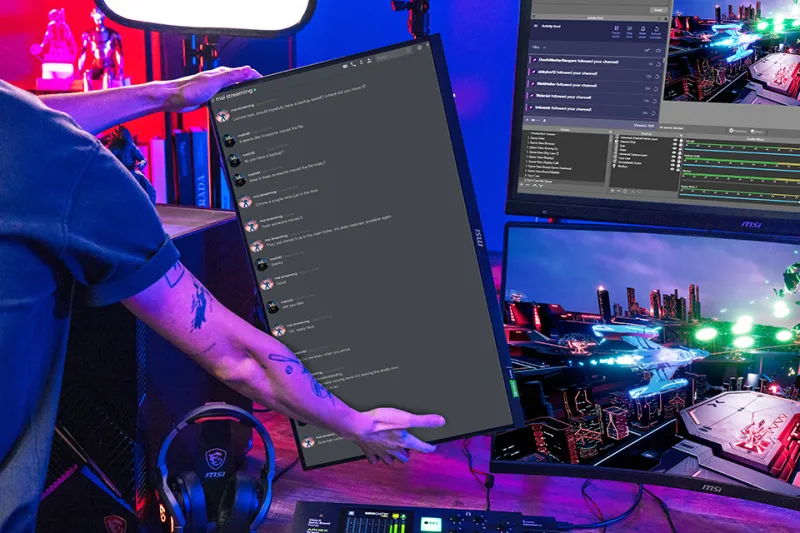
At some point, most solo streamers hit a wall that has nothing to do with talent or content. They're running OBS with a dozen plugins, managing a bot for chat moderation, using one service for alerts, another for overlays, a third for scheduling, and a fourth for analytics — and somehow, despite all that infrastructure, the audience isn't growing.
The instinct is to add more. Maybe a new animated overlay will make the stream look more professional. Maybe a different chatbot has a feature that'll boost engagement. Maybe an AI clip tool will help with discoverability.
Here's the uncomfortable truth: for most independent streamers, more tools aren't the answer. They're the problem.
The Marketplace Is Designed to Distract You
This isn't a knock on tool developers. There are genuinely great streaming utilities out there. But the market for creator tech has exploded over the last five years, and a lot of what's being sold is optimizing the margins rather than the core.
An animated subscriber alert doesn't grow your channel. A custom overlay theme doesn't retain viewers. A loyalty points bot doesn't replace compelling content. These things might add polish, but polish on a stream that hasn't nailed its fundamentals is like repainting a car that doesn't run.
The problem is that tool-shopping feels productive. You're doing something. You're improving the stream. Except you're spending three hours configuring a widget that maybe ten people will ever notice, instead of working on why your retention drops at the 20-minute mark.
Sorting Tools Into Honest Categories
Not all tools are created equal, and the honest way to evaluate them is by asking one question: Does this directly impact whether more people watch me, stay longer, or come back?
Using that filter, most streaming tools fall into one of three buckets:
Foundational tools — These have a direct, measurable effect on the quality or discoverability of your stream. Think your core encoder (OBS or Streamlabs), your scene management, your audio chain, and your platform's built-in analytics. Without these working well, nothing else matters. Invest time here.
Engagement amplifiers — These genuinely help once you have an audience to engage. Chat bots that run polls, trigger commands, or moderate toxicity fall here. Stream scheduling tools that help you stay consistent fit here too. The key word is amplify — they make an existing audience experience better. They don't conjure an audience from nothing.
Cosmetic and vanity tools — Animated overlays, custom alert sounds, follower goal widgets, loyalty point systems for micro-communities. These aren't worthless, but they're the last things you should be spending time on. If you're under 200 average viewers, most of your audience won't even notice them.
The trap is that streamers often invest the most time in the third category because it's the most visually satisfying to set up. You can see a new overlay. You can't always see the compound effect of posting consistently or improving your audio quality.
The Case for Radical Simplification
There's a real pattern among streamers who hit growth inflection points: they usually got there by doing less, not more.
Take a creator who spent months building out an elaborate loyalty point economy in their chat — custom redemptions, tier rewards, the whole architecture. Viewers could spend points on sound effects, on-screen memes, name pronunciations. Fun system. Also a system that took hours per week to maintain and required constant troubleshooting.
After stripping it down to three simple redemption options and redirecting that time toward improving content research and stream consistency, they saw their average viewership climb steadily over the following quarter. The audience didn't miss the elaborate points system. They responded to the better content.
Simplification isn't giving up. It's recognizing that attention is your scarcest resource, and every hour spent on tool configuration is an hour not spent on the things that actually build a show.
A Decision Framework That Actually Works
Before adding any new tool to your stack, run it through this four-question filter:
1. Does this solve a problem I currently have, or a problem I imagine I might have? If you don't have 500 people in chat causing chaos, you don't need an enterprise-level moderation bot. Solve real problems, not hypothetical ones.
2. What's the honest setup and maintenance cost? Every tool has an ongoing time tax — updates, troubleshooting, tweaking settings. Factor that in before you install anything.
3. Could I achieve the same result with something I already have? OBS has more capability than most streamers ever use. Your platform's native tools often cover the basics. Explore what you have before adding something new.
4. If this tool disappeared tomorrow, would my audience notice? If the answer is no, it might not be worth the overhead.
The Tools Worth Your Time (An Honest Short List)
With all that said, some tools genuinely earn their place in a solo streamer's stack:
- A reliable encoder with scene management — OBS Studio, free and powerful. Learn it deeply before touching anything else.
- A scheduling/consistency tool — Whether that's a simple calendar system or a platform like Streamyard for pre-planned shows, consistency is your most important growth lever.
- A basic chat moderation bot — Nightbot or Moobot are free, functional, and low-maintenance. Set it up once, let it run.
- Platform analytics, used weekly — Not a third-party tool. Just your native dashboard. Watch your retention curves and peak concurrent numbers. That data tells you more than any overlay ever will.
- A decent clip tool — Reusing live content for short-form video is one of the highest-ROI activities a solo streamer can do. Streamlabs Clip It or your platform's native clipping works fine to start.
That's five things. Most successful independent streamers don't need much more than that in their first two years.
Build the Show, Not the Dashboard
The streaming tool marketplace will keep expanding. There will always be a new plugin promising algorithmic boosts, a new overlay pack that looks incredible in the demo, a new automation tool that claims to save you hours every week.
Some of them will be worth your time. Most won't.
The streamers who build real, loyal audiences are the ones who stay focused on the show itself — the content, the consistency, the connection with viewers. The tech stack exists to support that show, not to become a project of its own.
Simplify the stack. Invest the saved time into the stream. That's the move.