Chat Is a Cash Register: Monetizing Live Viewer Interaction Without Locking Anyone Out
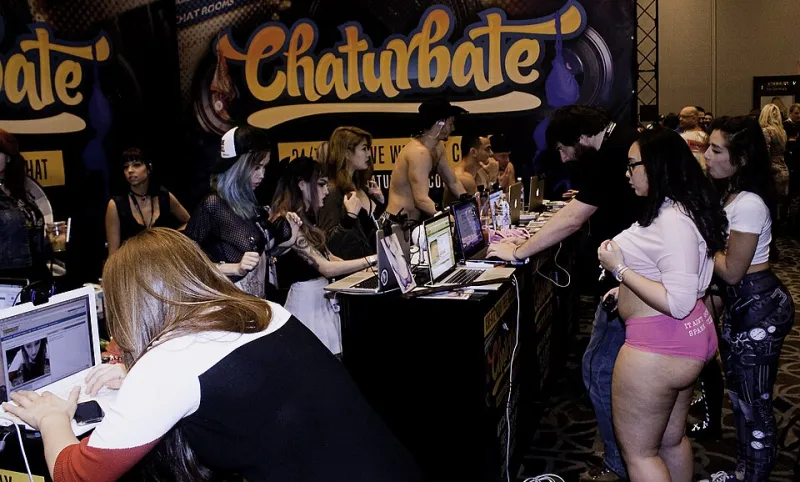
Photo: Baldwin Saintilus from USA, CC BY 2.0, via Wikimedia Commons
Ask most streamers how they make money, and you'll hear the same short list: subscriptions, ads, maybe some merch. It's a fine starting point, but it leaves a massive opportunity sitting right there in your chat window, completely untapped.
Live chat is unique in the streaming world. It's not passive consumption — it's participation. And participation, when you design for it intentionally, is something viewers will pay for. Not because you're forcing them to, but because being part of the show feels genuinely valuable.
Here's how to build a monetization layer around your chat that brings in real revenue without turning your community into a transaction.
Why Chat Monetization Hits Different Than Subscriptions
Subscription models work on a simple premise: pay to access. They're reliable, they're predictable, and platforms like Twitch and YouTube have made them easy to implement. But they also create a visible line between paying viewers and free viewers — and that dynamic can quietly damage your community culture if you're not careful.
Chat-based monetization flips the model. Instead of charging for access, you're offering enhanced participation. Free viewers can still watch, still engage, still feel like part of the community. Paying viewers get amplified presence, special recognition, or interactive privileges. It's an upgrade, not a gate.
That distinction matters more than it might seem. Streamers who've made the shift from paywall-first to participation-first consistently report that their overall community health improves — more active chat, higher average viewer retention, and often higher total revenue because the barrier to entry is lower.
Digital Tipping: The Lowest-Friction Revenue Tool You Have
Let's start with the most accessible piece: tips and digital donations. You're probably already aware of tools like Streamlabs, StreamElements, and Buy Me a Coffee, but a lot of creators treat tipping as a passive feature — they set it up, mention it once, and hope viewers find it.
The streamers who actually generate consistent tip revenue treat tipping as an interactive moment, not a donation box. When a tip comes in, it triggers something on screen — an alert, an animation, a sound effect, a text-to-speech message. That on-screen event becomes part of the show. Viewers aren't just giving money; they're creating a moment that hundreds of other viewers see in real time.
Design your alerts to be entertaining. Make the on-screen moment worth having. When tipping becomes a way to participate in the energy of the stream rather than just support a creator financially, tip frequency goes up significantly.
Practical tip: Set tiered tip alerts at different price points. A $5 tip gets a simple alert. A $25 tip triggers a custom animation. A $50 tip lets the viewer pick a song, change your stream overlay color, or issue a challenge. Each tier is a different product with a different value proposition.
Gamified Chat Features: Making Engagement Worth Something
Several platforms and third-party tools now offer gamified chat systems — virtual currency, loyalty points, prediction markets, and chat-based mini-games. These aren't gimmicks. When implemented well, they're powerful retention and monetization tools.
StreamElements' Loyalty system, for example, lets you award points to viewers based on time watched and chat activity. Those points can be redeemed for rewards you define — a shoutout, a custom emote, access to a community Discord channel, or even real-world perks if you want to go that far. The gamification loop keeps viewers in chat longer and creates a reason to keep coming back.
For monetization specifically, you can sell point boosts — viewers pay a small amount to earn loyalty points faster. It's a soft monetization layer that doesn't feel transactional because viewers are paying for a game mechanic, not content access.
Twitch's Channel Points system operates on a similar principle and has been a significant driver of community engagement for streamers across every category.
Sponsored Chat Overlays and Interactive Polls: The Brand Integration Play
If you've got a decent-sized audience — even a few hundred consistent live viewers — you're in a position to sell sponsored interactive moments to brands that want to reach your specific community.
Sponsored polls are one of the cleanest versions of this. A brand pays you to run a live poll in your stream: "Which of these two new flavors should [Brand] launch next?" Your viewers participate, the brand gets real-time consumer feedback and exposure, and you get paid for the integration. Tools like Streamlabs, Crowdcast, and StreamYard all support interactive polling that can be branded and customized.
Sponsored chat overlays are another option — a branded banner or animated element that appears in your chat interface during a sponsor segment. Unlike a mid-roll ad, it's woven into the live experience and feels native to the stream environment.
These integrations work best when they're relevant to your niche. A fitness streamer partnering with a supplement brand for a live poll on workout recovery methods makes sense. A tech streamer doing a sponsored "build challenge" with a hardware brand feels organic. Forced integrations fall flat and can damage audience trust, so be selective.
Real Creator Results: What Mid-Tier Streamers Are Actually Seeing
Streamers in the 500-2,000 average concurrent viewer range — what most in the industry would call mid-tier — are the ones seeing the most dramatic results from chat monetization strategies, largely because they have enough of an audience to make the systems work without being so large that individual interactions lose meaning.
Creators who've combined tiered tip alerts, a loyalty point system, and one or two monthly sponsored interactive moments have reported doubling their monthly streaming revenue without adding a single new subscriber tier or changing their content format. The key in every case was consistency — running the systems reliably every stream so viewers learn to expect and engage with them.
One fitness streamer in the Midwest built a "chat challenge" system where viewers could spend loyalty points to add exercises to her live workout. The engagement spike was immediate, and the tip revenue during those segments tripled compared to her standard streams. She later partnered with a sports nutrition brand to sponsor the challenge segments, adding a flat monthly fee on top of the organic tip income.
Keeping It Real: Community First, Revenue Second
All of this only works if your community trusts you. The moment chat monetization feels like a cash grab — too many sponsored moments, too much pressure to tip, too many paywalled perks — viewers disengage and the whole thing collapses.
A few ground rules that successful streamers consistently follow: be transparent about sponsorships, keep free viewers genuinely included in the experience, and make sure the monetized moments are actually fun rather than just functional. If your tip alerts are entertaining, people enjoy them even if they're not tipping. If your sponsored poll is interesting, viewers participate because they want to, not because you're asking them to.
Chat is your most direct line to your audience. Treat it like a community first and a revenue channel second, and it'll quietly become one of the most reliable income streams in your entire operation.