Getting Sponsored Won't Save a Sinking Show

There's a version of success that a lot of streamers have in their heads. It usually involves a brand logo in the corner of the screen, a mid-show read for some product they actually like, and a deposit hitting their account on the first of the month. Sponsorships feel like the finish line — proof that you've made it, that the grind paid off.
The problem? For most broadcasters, landing a sponsor before the fundamentals are solid doesn't fix anything. It just makes the cracks harder to ignore.
What Brands Are Actually Buying
Here's the thing that doesn't get said enough in streaming communities: sponsors aren't buying your audience size. Not really. They're buying predictable access to a specific kind of person, delivered consistently, with a measurable outcome attached.
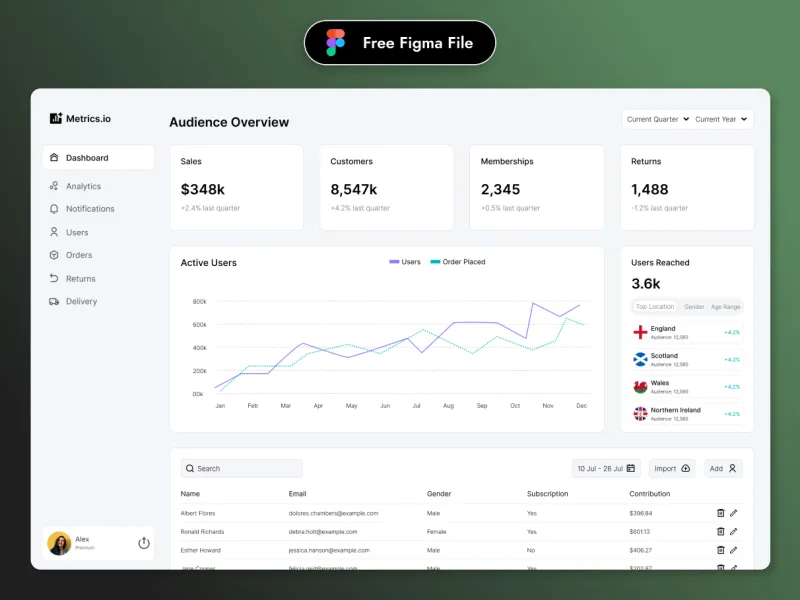
When a brand's marketing team opens your pitch deck, they're not getting excited about your peak concurrent viewer number from that one big stream three months ago. They're looking at average session length, return viewer rate, engagement patterns, and whether your audience actually behaves like the people they're trying to reach. A gaming peripheral company doesn't want to sponsor a stream where 80% of the chat is first-time visitors who showed up for a giveaway and never came back.
This is where a lot of streamers get tripped up. They spend months optimizing for the metrics that feel impressive — follower counts, total hours streamed, that one viral clip — while ignoring the data that brands actually care about. Loyal viewers who show up week after week, engage with content between streams, and trust the host's recommendations? That's the asset. Everything else is noise.
The Pitch That Goes Nowhere
Picture this: a streamer with 800 average viewers sends a cold pitch to a mid-tier software company. The email is polished, the media kit looks clean, and they've even included a rate card. The brand's partnership coordinator opens it, scrolls through, and archives it without responding.
Why? Because nothing in that pitch answered the question the brand was actually asking: what happens after we give you money?
A media kit full of vanity stats doesn't tell a sponsor how their product will be integrated, what the call-to-action looks like, whether your audience has ever bought anything based on your recommendation, or how you'll report results back to them after the campaign. Brands — especially smaller ones with tighter budgets — are taking a real risk when they work with independent streamers. The pitch that wins is the one that makes that risk feel manageable.
If your stream doesn't have a track record of driving action — affiliate link clicks, product mentions that generate conversation, community members who trust your word — you don't have much to offer a brand beyond impressions. And impressions alone are a hard sell when YouTube pre-roll ads exist.
The Paradox Nobody Talks About
Here's where it gets counterintuitive. The streamers who chase sponsorships the hardest tend to be the ones who need the revenue most — which usually means they're also the ones whose shows need the most work. Low retention, inconsistent scheduling, thin community engagement. These are the problems a brand deal cannot fix, and they're exactly the problems that make brand deals harder to land.
Meanwhile, the streamers who've quietly built tight, loyal communities — consistent viewers, active Discord servers, audiences that actually respond to recommendations — often find that sponsors start approaching them. Not because they got lucky, but because they built something a brand could actually use.
That's the paradox. The more you need a sponsor to save your stream, the less ready your stream is to support one.
What "Partnership-Ready" Actually Looks Like
Before you send a single pitch, run an honest audit of your show. Ask yourself:
Is your schedule dependable? Brands want to plan campaigns around content that shows up on time. If you've missed three streams in the last month, that's a red flag for any potential partner.
Do your viewers stick around? Average watch time and return viewer percentage matter more than total reach. A stream where people stay for 45 minutes is worth more to a brand than one where 1,000 people pop in for two minutes each.
Have you driven any action before? Even if it's just an affiliate link for a product you mentioned offhand, evidence that your audience responds to recommendations is gold. Screenshot the clicks. Note the conversion rate. That's your proof of concept.
Is your content brand-safe and consistent in tone? This one's obvious but worth saying. A sponsor isn't going to risk their name on a stream that goes off the rails regularly.
Do you have a clear audience identity? "Gaming and lifestyle" is not a niche. "Competitive card game strategy for adults who play in local tournaments" is. The more specific your audience, the easier it is for the right brand to say yes.
Fix First, Pitch Later
This isn't about telling you to wait forever before pursuing revenue. Monetization matters, and there's nothing wrong with wanting to get paid for your work. But there's a difference between sustainable brand revenue and a one-off deal that burns a bridge because you couldn't deliver what you promised.
The streamers who build real, long-term brand relationships — the kind where a sponsor renews quarter after quarter — are the ones who treated the partnership like a business arrangement, not a lifeline. They came in with solid numbers, a clear integration plan, and the ability to report results in a language the brand understood.
That takes time to build. It takes a consistent show, an engaged community, and a host who understands that sponsors are investing in outcomes, not just exposure.
So if you're refreshing your inbox waiting for a brand to discover you, maybe spend that energy on the thing that actually attracts them: a stream worth sponsoring.
Fix the foundation. Build the audience. Make the show undeniable. The deals will follow — and when they do, you'll actually be ready to deliver.