Stop Trying to Look Like TV: What Your Viewers Actually Want from a Live Stream
There's a moment most streamers hit somewhere around month three. The show is running. The audience is small but growing. And then someone in chat says it: "You should really clean this up. It looks amateur."
So you go down the rabbit hole. New lighting rig. Animated overlays. A custom intro with a music sting. Scene transitions so smooth they'd make a network producer nod. You spend a weekend rebuilding your setup, go live Monday feeling like a professional—and somehow, the vibe is completely off. Chat feels quieter. The regulars seem less engaged. A few people drop out early.
What happened?
Short answer: you stopped feeling like a live stream and started feeling like a commercial.
The Production Value Trap
Here's the uncomfortable truth that a lot of streaming advice glosses over: audiences don't come to live streams looking for television. They already have television. They have Netflix, Hulu, YouTube VODs edited to within an inch of their lives. What they're searching for when they open a live stream is something those platforms fundamentally can't offer—the unpredictability of a moment that hasn't been shaped yet.
Viewer behavior research consistently shows that perceived authenticity is one of the top drivers of live stream engagement. When streams feel overly rehearsed or visually overproduced, watch time drops and chat activity slows—not because the quality is bad, but because the tension is gone. There's no sense that anything could go sideways. And that tension, as counterintuitive as it sounds, is exactly what keeps people watching.
Think about why sports broadcasts work. Yes, they have high production values. But nobody's editing out the fumbles. Nobody's cutting away when a player says something they shouldn't. The polish exists to frame the chaos, not replace it.
What "Authentic" Actually Means (It's Not an Excuse for Lazy)
Before you use this as permission to stream from your phone in bad lighting, let's be clear about something: authenticity isn't the same as low effort. There's a real difference between a stream that feels spontaneous because the host is genuinely present and reactive, and a stream that feels chaotic because nobody planned anything.
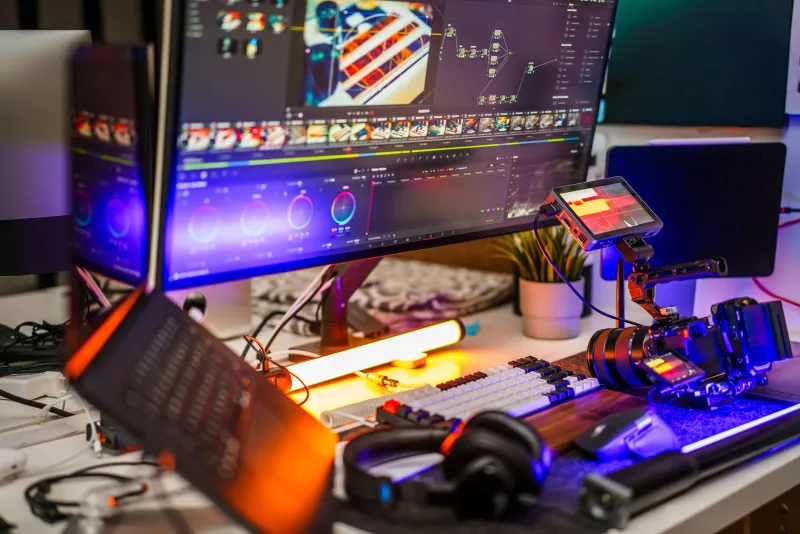
The creators who consistently build loyal audiences tend to operate with what you might call intentional minimalism. They've made deliberate choices—decent audio, a clean-enough frame, a reliable internet connection—but they haven't tried to engineer every second of the experience. They leave room for tangents, for awkward pauses, for the chat to steer things somewhere unexpected.
Streamer and podcast host Hank Green has talked publicly about how his most-watched live content often comes from sessions where he's clearly figuring things out in real time. The audience isn't there despite the uncertainty—they're there because of it. They're participating in something, not just consuming it.
Where the Line Actually Is
So how do you know when polish is helping versus hurting? A useful mental model: production quality should reduce friction, not manufacture impressiveness.
Friction is anything that makes it harder for someone to focus on you and what you're saying. Muddy audio is friction. A webcam so dark viewers can't read your expressions is friction. A stream that keeps dropping because your upload speed can't handle the bitrate is friction.
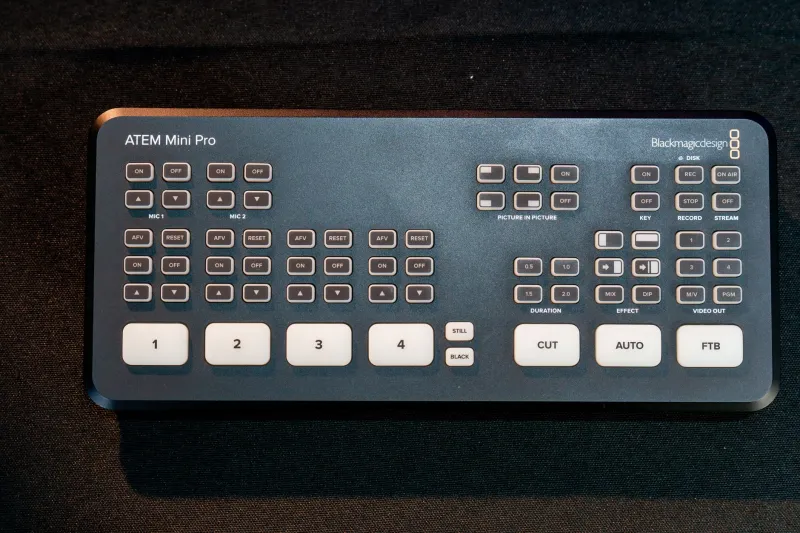
Impressiveness is everything else—the branded overlays, the animated alerts, the Hollywood-style intro sequence. Some of it looks great. Most of it is invisible to your audience after the first 30 seconds. Almost none of it is what makes someone come back next week.
When you audit your setup, ask this question: Is this solving a problem my viewer has, or is it solving an insecurity I have? Those are very different things, and conflating them is how streamers end up spending $400 on software that nobody in their chat will ever notice.
Why Over-Production Can Actually Signal Insecurity
This is the part nobody wants to hear, but it's worth saying: heavy production layering is sometimes a way of hiding behind the show instead of showing up for it. When everything is visually busy—transitions, lower thirds, music beds, graphic packages—there's less space for the host to just be on camera. And audiences pick up on that, even if they can't articulate it.
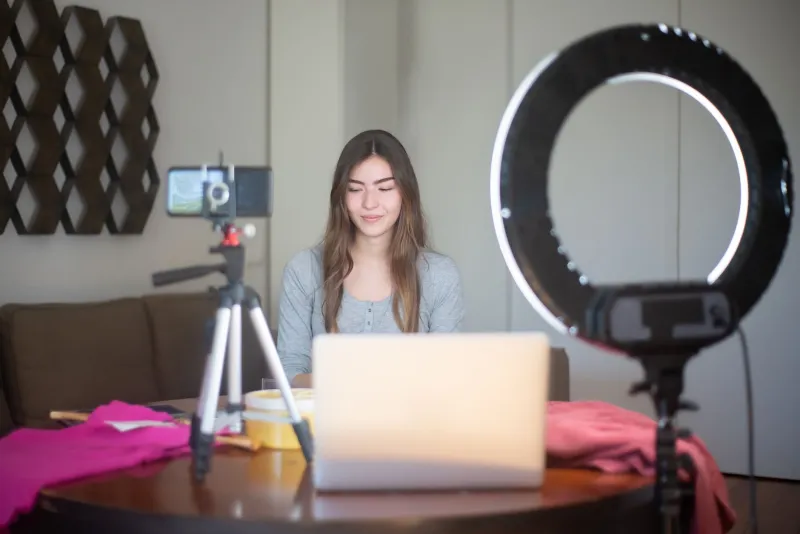
Some of the most-followed streamers in the US right now are running setups that would have looked modest five years ago. One camera. A decent mic. Good lighting from a single softbox. That's it. The rest is just them—their personality, their knowledge, their ability to make a viewer feel like they're in the room.
That's not a coincidence. It's a deliberate creative choice that says: the content is the product, not the packaging.
Finding Your Balance
None of this means you should strip everything back to nothing. It means you should be intentional about every layer you add, and honest about who it's really for.
A practical starting point: run your stream at its current production level, then strip one visual element per week and watch what happens to your engagement metrics. Most streamers find there's a floor below which engagement drops—that's your friction threshold. And there's a ceiling above which engagement also drops—that's where you've crossed into over-production territory. Your sweet spot lives somewhere in the middle, and it's different for every show.
The goal isn't to look raw. It's to feel real. Those are different targets, and the best live shows hit the second one every time.
Your audience isn't waiting for you to look like a network broadcast. They're waiting for you to stop performing and start connecting. Give them that, and the production level almost doesn't matter.