Stop Discounting Yourself: What Your Stream Is Actually Worth in 2025

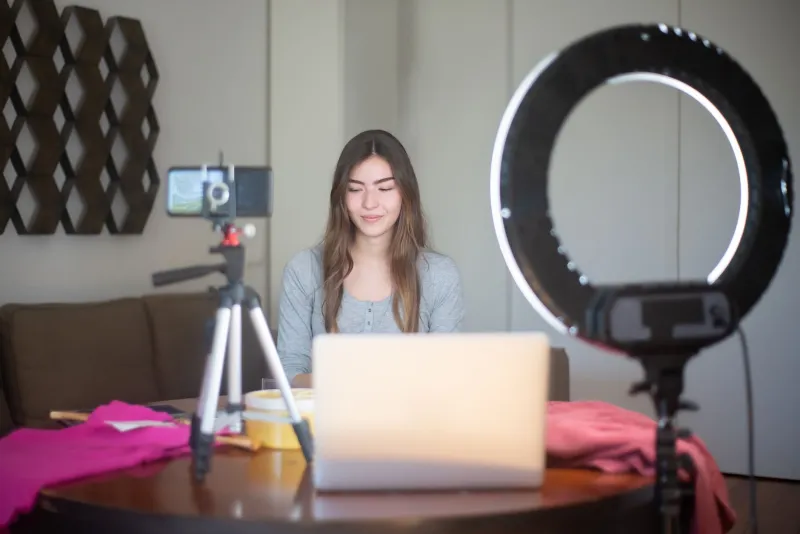
Photo: Exchanges Photos, CC0, via Wikimedia Commons
Let's start with an uncomfortable observation: the average streamer who gets a sponsorship offer accepts the first number mentioned, usually within an hour of receiving it. No counter. No research. Sometimes, if you can believe it, a thank-you note.
Meanwhile, brands are running entire campaigns on creator inventory that costs a fraction of what equivalent ad spend would. Somebody is capturing that value gap, and it isn't you.
Why Creators Undercharge (It's Not Modesty)
The undercharging problem isn't a math problem — it's a psychology problem. Creators price from a place of gratitude. You're flattered a brand noticed you, so you anchor your rate to the fear of losing the deal rather than the value you deliver.
But flip the frame: a brand approaching you has already done the hard work of deciding you're worth approaching. The marketing team behind that email has a budget, a deadline, and a mandate. You are not begging. You are quoting.
What the Market Actually Pays
Real talk — rates swing wildly by niche, but here's the honest ballpark for a US-based streamer in 2025:
- Sponsored live segments (60–90 seconds of integration): a common floor is roughly $100 per 1,000 average concurrent viewers for a single mention, with dedicated segments and product demos commanding two to three times that. Niche authority matters more than raw numbers — a stream with 200 viewers of certified HVAC technicians can out-earn one with 2,000 randoms.
- Channel memberships and subscriptions: creators consistently underprice these at $2.99 out of fear. If your community genuinely shows up, $4.99 to $9.99 with real perks (emotes, VOD access, a members-only stream) is well within normal.
- Paid subscriber-only streams: this is the most underused lever in live streaming. A monthly ticketed event for your top fans — a workshop, a watch-along, a deep-dive — can out-earn ad revenue entirely at even modest attendance.
- Sponsored series over one-offs: a single stream integration is worth maybe 60% of what the same integration is worth across a four-week series. Brands will pay a premium for repetition; make them pay it.
A Framework You Can Defend
When a rate conversation starts, walk through three questions:
1. What does my audience cost to reach elsewhere? If a brand wanted to put a message in front of 500 engaged people in this exact niche, what's the CPM through conventional channels? That's your floor, not your ceiling.
2. What does production actually cost me? Hours of prep, gear amortization, the opportunity cost of the stream itself. If a deal doesn't clear your real costs plus a margin, it's a subsidy you're paying to a corporation.
3. What happens to the content after? A sponsored segment that lives on in your VOD, gets clipped, and gets reshared is worth meaningfully more than one that evaporates. Price the afterlife.
Then — and this is the part that changes careers — name your number first, with a one-sentence rationale attached. "That's $X, based on my average concurrents and the fact that the segment stays live in the VOD." A number with a reason attached is dramatically harder to negotiate down than a number that sounds invented.
The Counteroffer Isn't Rude
Brands negotiate because negotiating works on people who are scared. When you counter — calmly, once, with data — two things happen. Roughly a third of the time they meet you. Another third they split the difference. The final third they walk, and you learn something valuable: that deal was never going to be worth the airtime anyway.
Your show is a media property. Media properties have rate cards. Build yours this week, before the next email lands in your inbox.